


Advertisement
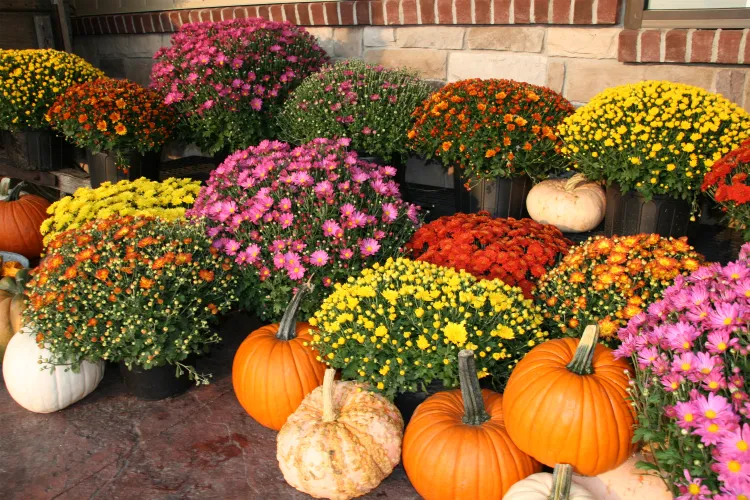
Some plants absolutely thrive when planted in autumn's chilly weather, lending beautiful colour and foliage to your garden or patio — we're looking at you, pansies and chrysanthemums. Some hardy perennials are even meant to be planted in fall so they have time to establish through winter and produce beautiful spring blooms. Then there are plants you should never plant in the fall because they end up struggling through the chilly months, or never make it at all. Gardening experts told us which plants you should never put in the ground in the fall, so your garden doesn't have to endure this fate. And don't worry, they also recommended what to plant instead.
Dahlias
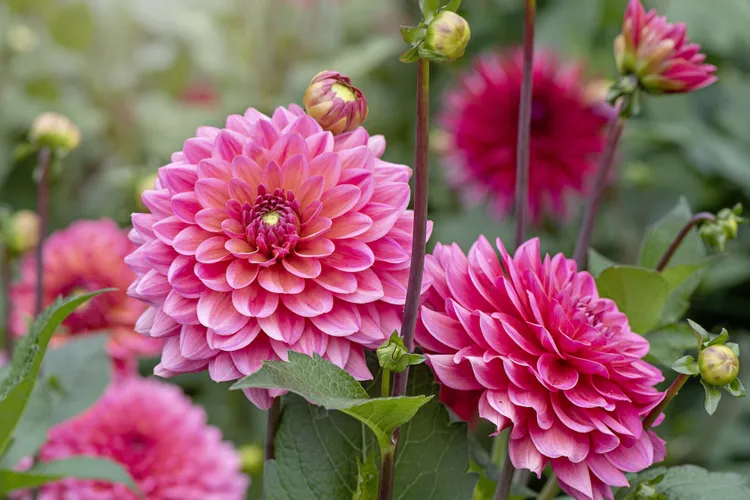
Fall is not a good time to plant dahlias because these tender perennials thrive best in warm climates. "Unlike hardy spring bulbs like tulips, dahlias lack natural properties to survive in freezing weather," says Bryan Wu, a gardening expert for Palmstreet. "If one of its tubers freezes, the water inside its cells expands and destroys the tissue, turning it into a mushy mess." Instead, try autumn daffodils, which produce bright, cup-shaped golden-yellow blooms in early to mid-autumn. "They mimic that cheerful pop of colour without needing special care," Wu notes.
Echinacea hybrids
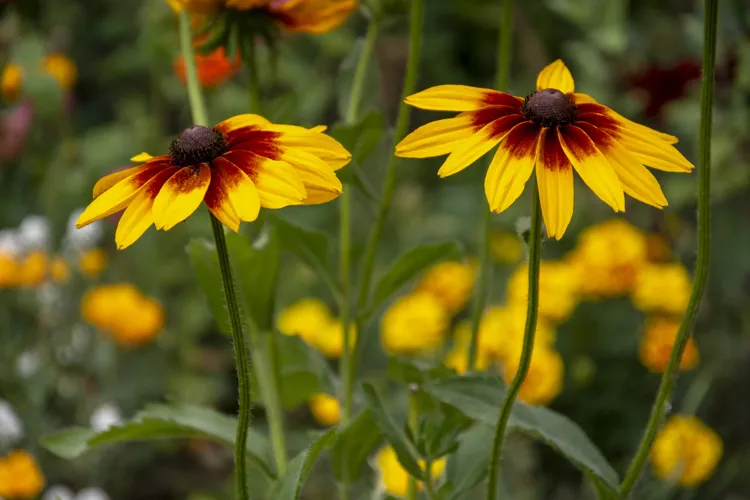
You may assume this hardy perennial can weather the cold, and some can, but Mike Annes, gardening expert at Darwin Perennials, says that newer hybrid varieties don't fare as well. They can be more sensitive to cooler temperatures, especially when newly planted. It's better to give them time to establish strong root systems in late summer to decrease the risk of winter damage. Instead, default to non-hybrids, or skip echinacea altogether and plant black-eyed Susans. They look similar with their dark centre and daisy-like petals, but are generally considered hardier, more reliable perennials. They do need to be planted well ahead of the first freeze, though.
Impatiens
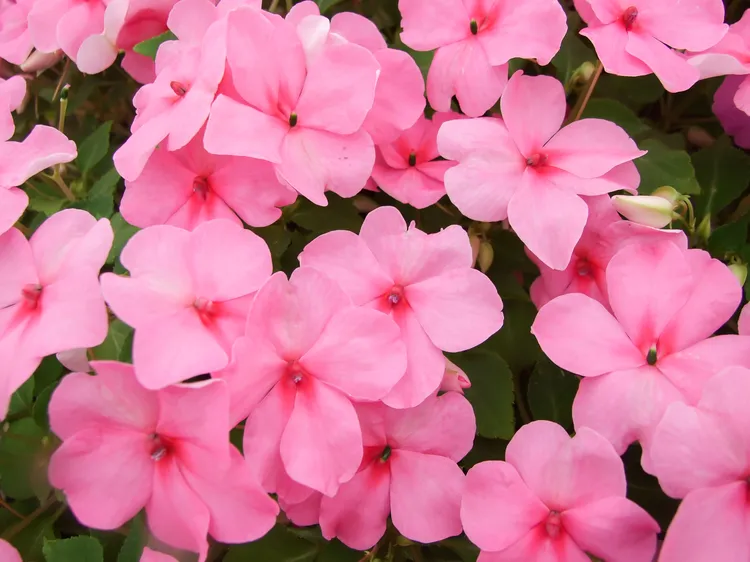
Don't bother planting any annuals that will die at the first frost, says Annes. Among those are impatiens, which are highly sensitive to cold temperatures and will quickly wilt and die when exposed to freezing conditions. Geraniums are a great alternative to impatiens. They offer the same cheerful, colourful blooms and compact growth habit, but thrive in cooler temperatures and can tolerate light frosts. Annes adds that planting them now gives them a head start until frost hits. "Then they come back in the spring ready to flower the entire season," he explains.
Hibiscus
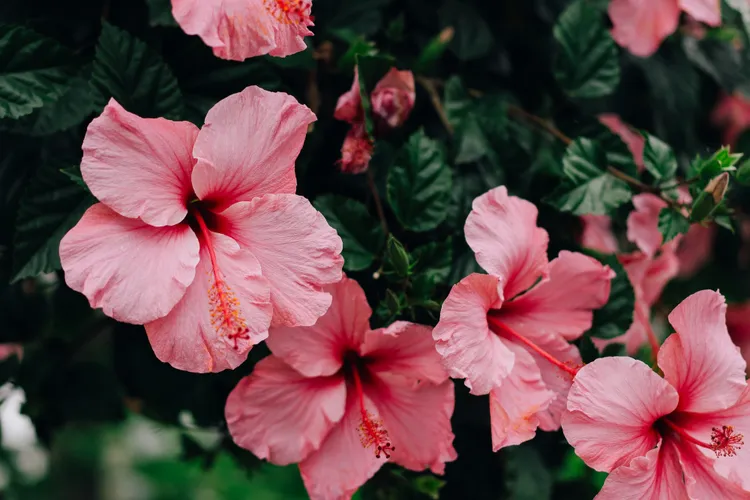
Hibiscus is a tropical plant, which means it loves sunshine, warmth and humidity. All of that isn't exactly plentiful come autumn. "They are sensitive to the cold and will suffer or be killed by temperatures dropping below 50°F, or if a sudden frost occurs," Wu explains. Planting them in the ground during fall means they do not have enough time to adapt or grow strong roots before cold weather arrives. Wu recommends chrysanthemums as an excellent choice for fall because they naturally adapt to the cool weather and continue to bloom despite fewer hours of sunlight.
Switchgrass
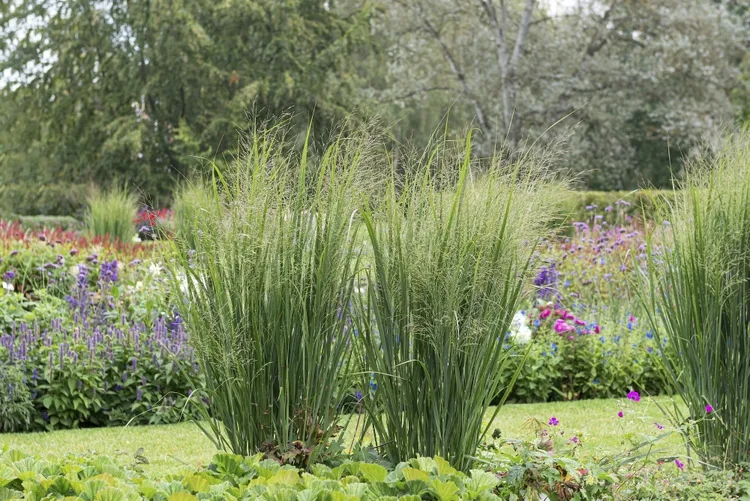
This ornamental grass prefers warm weather, so it won't fare well if you plant it now, Annes says. The same goes for other warm-season grasses, including schizachyrium (little bluestem) and miscanthus (maiden grass). The good news is that you've got a few cool-weather grasses to choose from. Beautiful options include feather reed grass (Calamagrostis) or tufted hair grass (Deschampsia). Both offer the same wispy texture and graceful movement as warm-season grasses, but they are much better at establishing roots during autumn's chill.
The bottom line
Autumn planting can be a wonderful way to add colour and structure to your garden, but not all plants are suited to the cooler months. Dahlias, echinacea hybrids, impatiens, hibiscus and switchgrass are among those that struggle or fail when planted in fall. Choosing the right alternatives — autumn daffodils, black-eyed Susans, geraniums, chrysanthemums and cool-season grasses — can give you beautiful results without the disappointment. Before you plant, consider your climate, the plant's hardiness and the time needed for roots to establish. A little planning now will save you frustration later and help your garden thrive through winter and into spring.
 Watch the ad Unlock More
Advertisement


Advertisement


Advertisement


Advertisement